Why the South Side?
What conditions in the country and city made 1970s Chicago the place for this educational experiment?
Project overview
A documentary about a small Black school founded on Chicago’s South Side in the 1970s—and the educational vision that allowed it to endure.
A Chicago Village: Education for Liberation follows the story and people of the Institute of Positive Education and New Concept Development Center, and the community later sustained through Betty Shabazz International Charter School. It begins with a small school in the 1970s and follows its triumphs through relentless adversity.
The history is told through the memories of founders now in their 70s and 80s, former teachers, parents, and alumni. Alongside the daily work of building the school are memories of James Brown performing at its annual fundraiser, Maya Angelou and Stevie Wonder dancing at a house party, and Gil Scott-Heron stopping by for lunch.
Alumni will describe a school where teachers felt like family and classmates like siblings who became lifelong friends. They will also reflect on entering later schools and a wider world that looked and felt very different, as well as the internal identity struggles that followed.
The producer and director tell this story from inside the village: both are alumni, and two of the school’s founders are their parents. That intimate access makes the film not only a history, but a conversation across generations about what the community built and why it matters now.
From the community archive
School performances, printed materials, and everyday records help carry this history into the present.
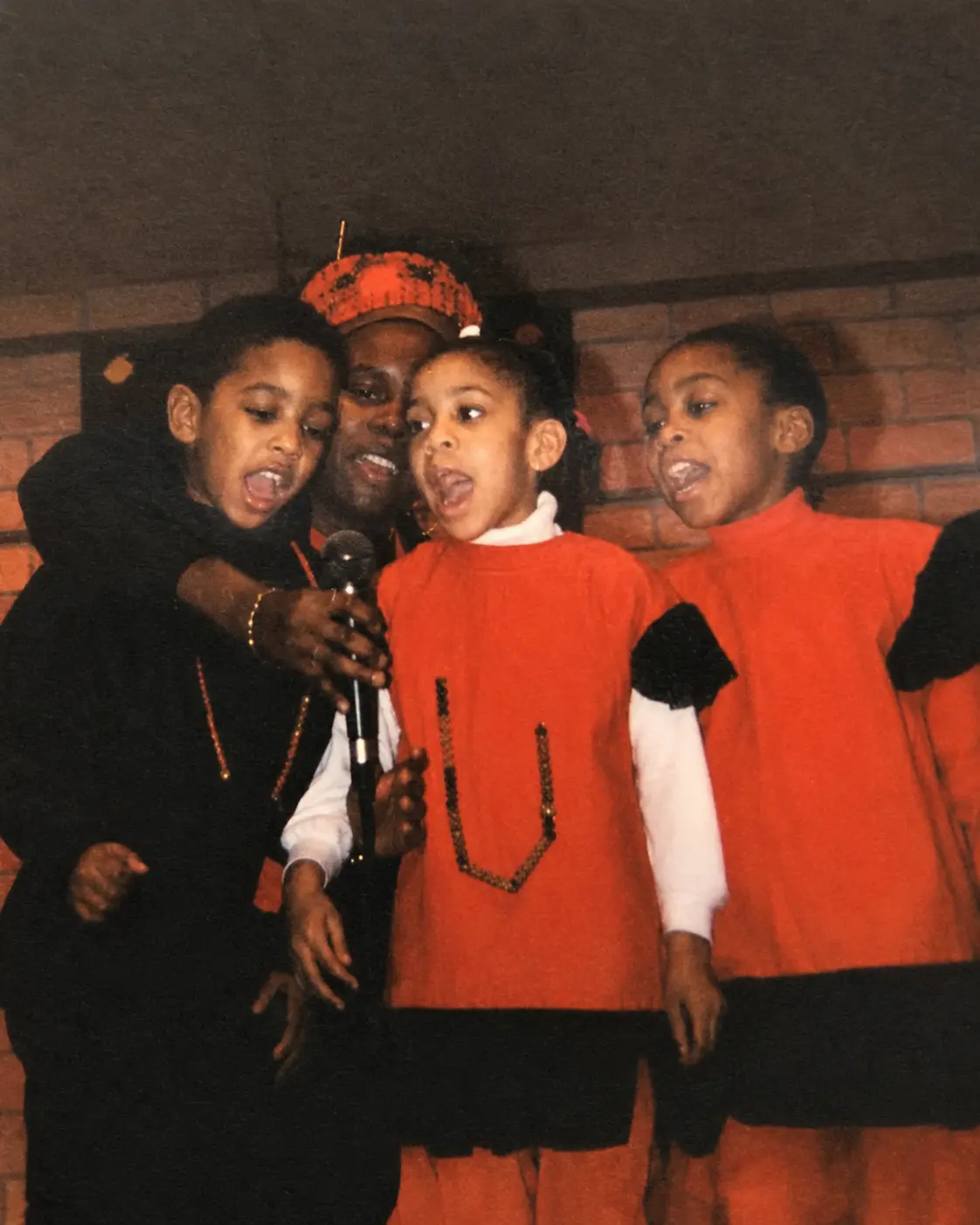
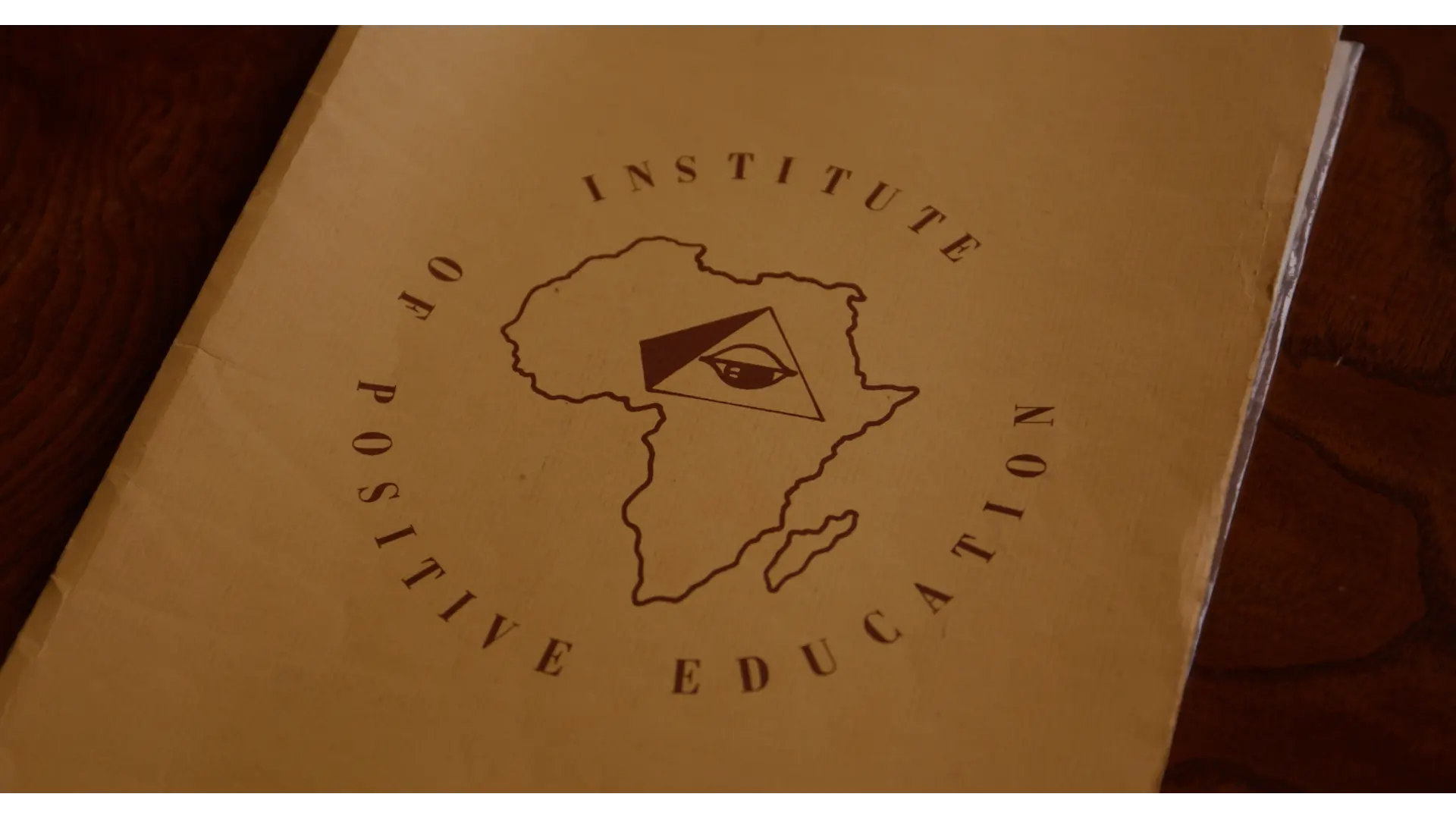
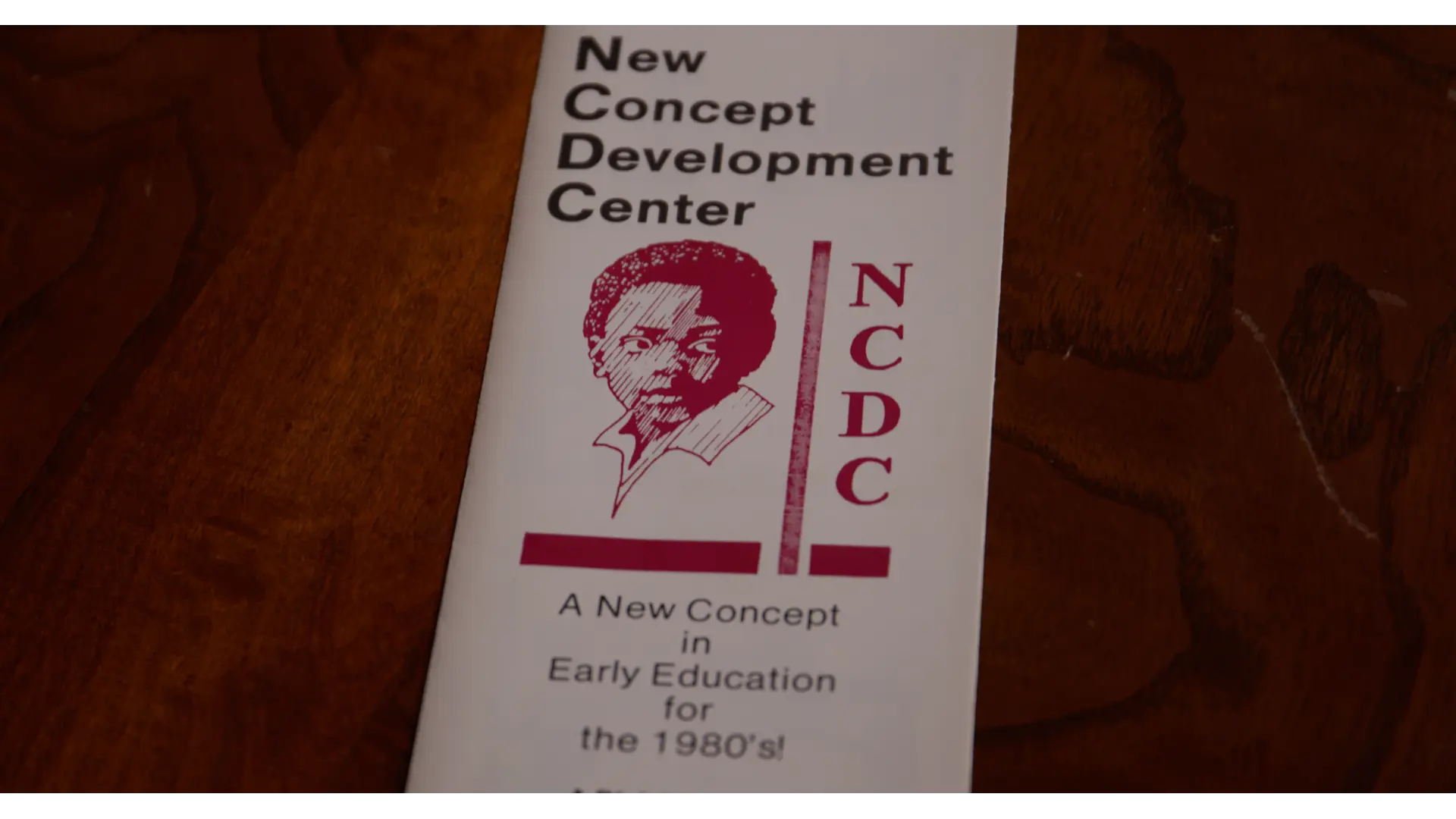
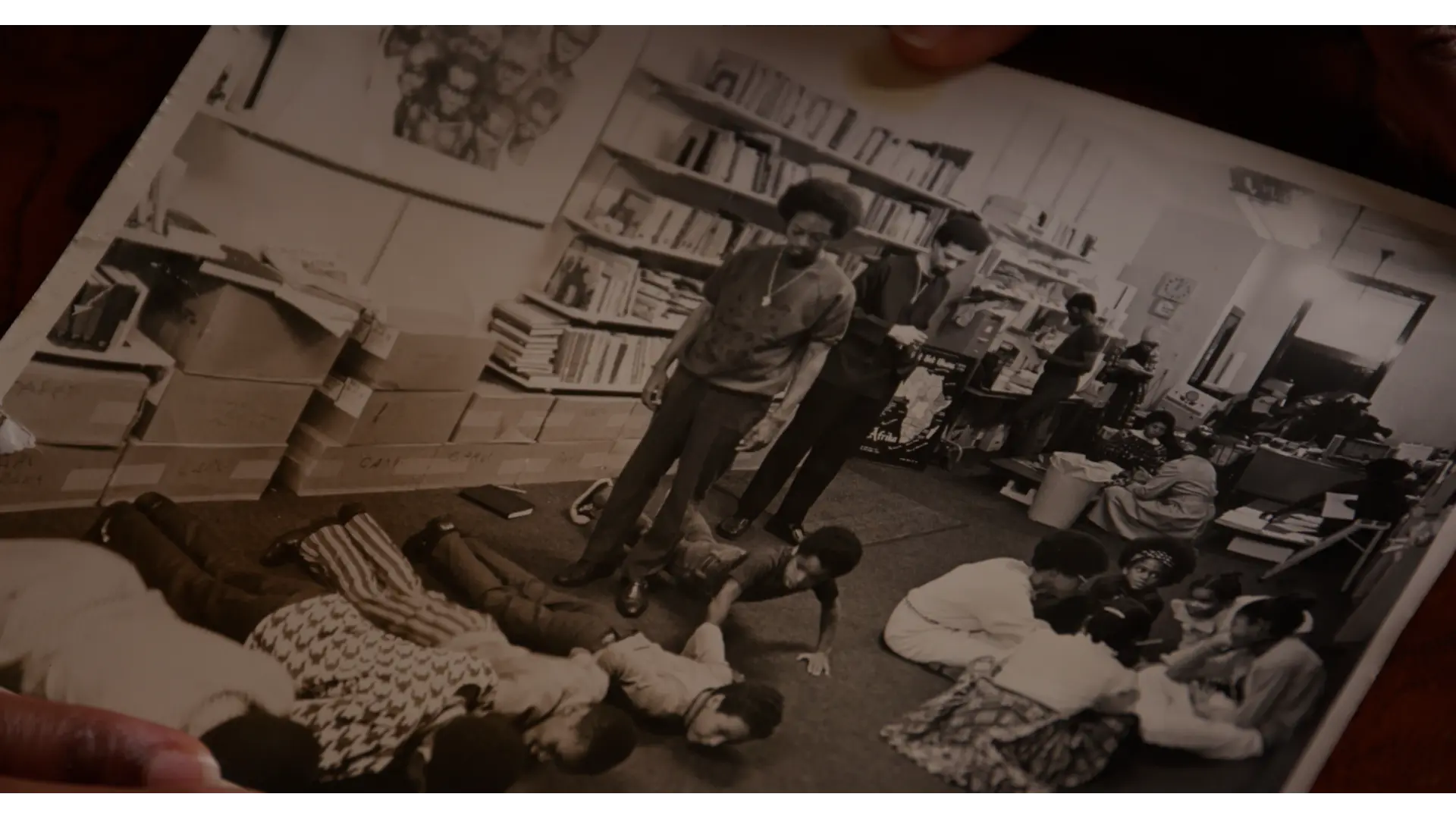
Past and present
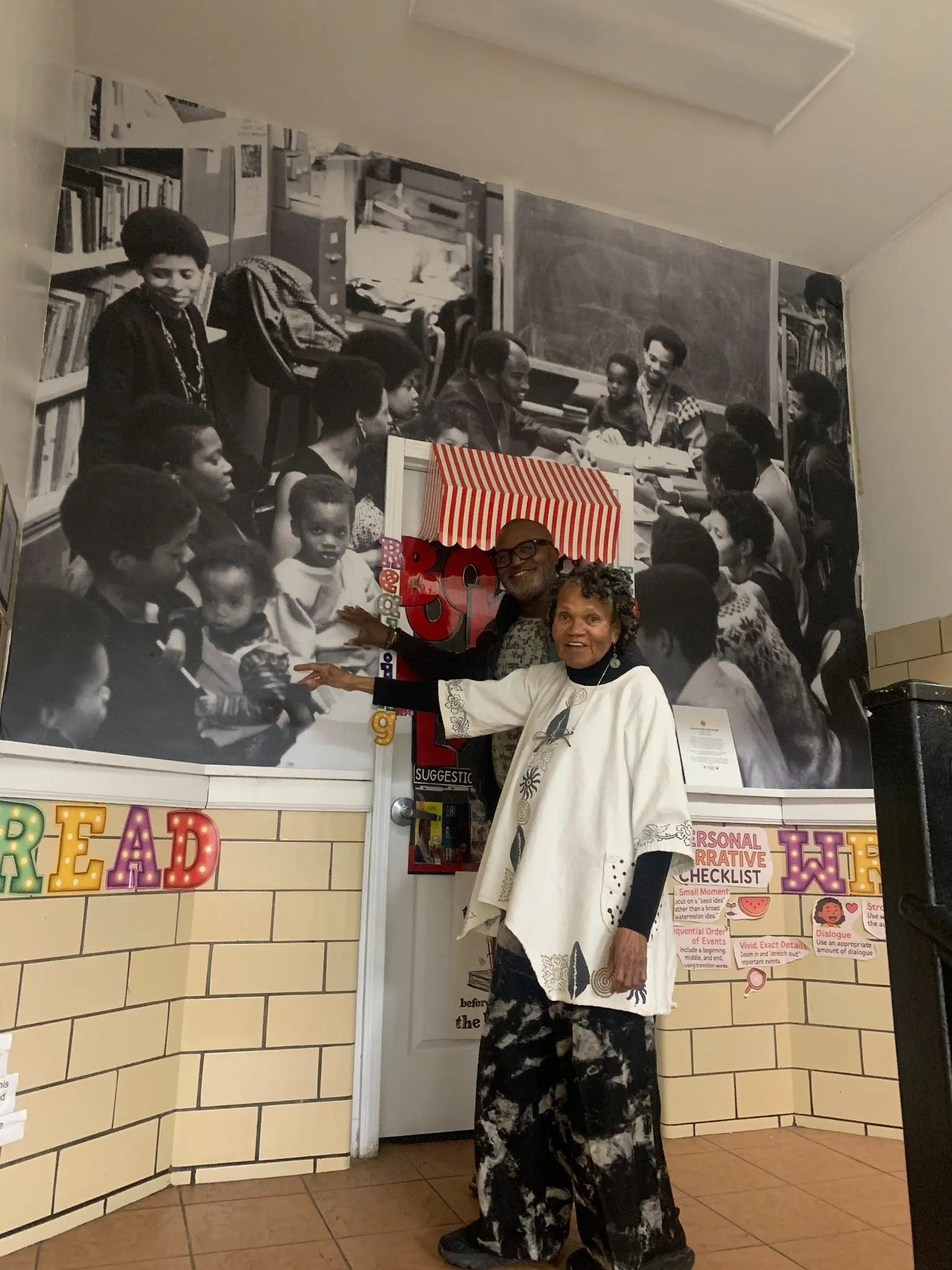
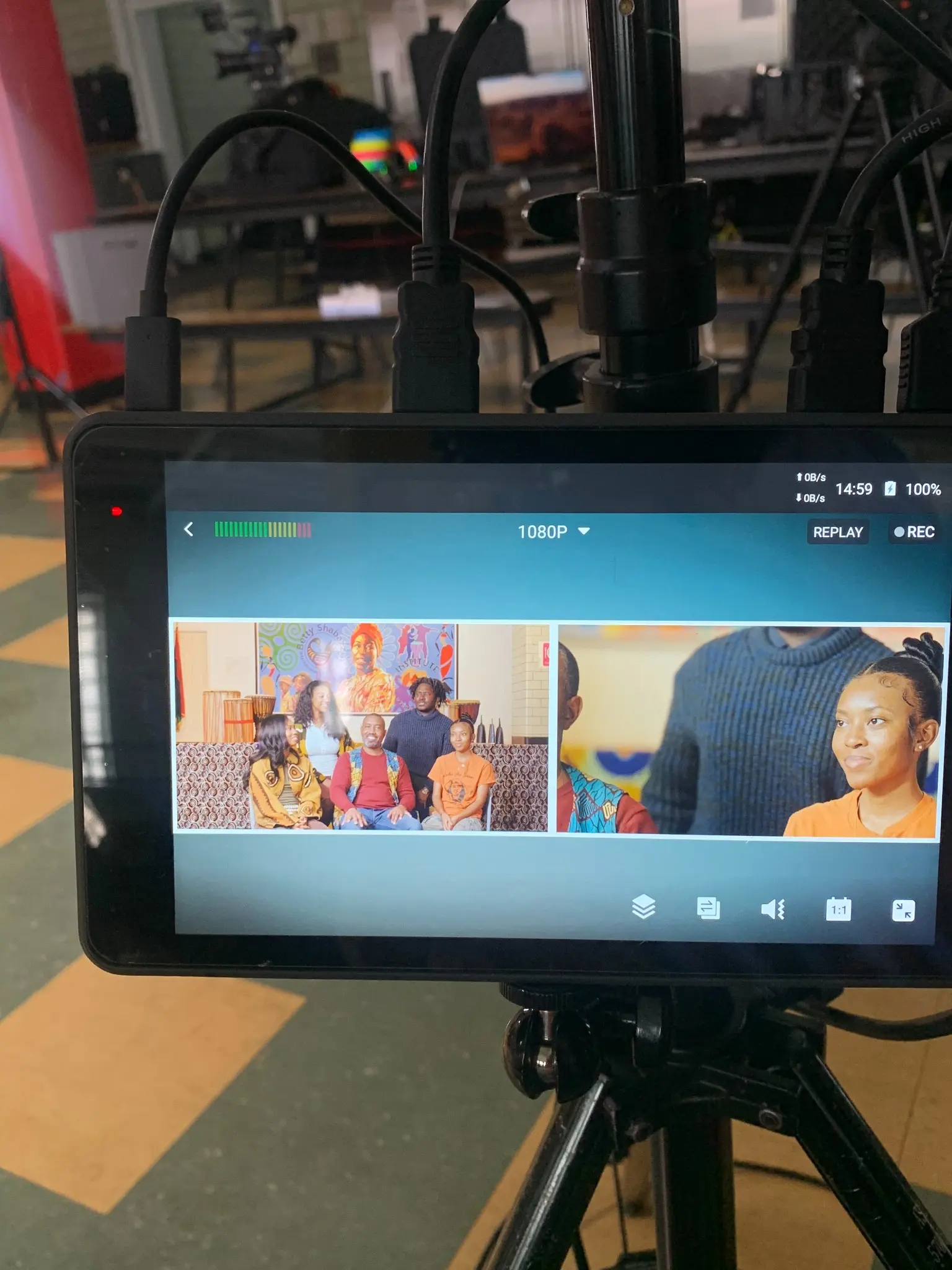
During a recent production day, interview participants stood before an image from IPE’s earliest years—making visible the connection between the institution’s beginnings and the people carrying its memory forward today.
The production is also recording families whose work, relationships, and lived experience are central to the village. Their stories show how IPE’s legacy has moved across generations.
Central hypothesis
The film asks what was happening in the United States, Chicago, and the South Side specifically that made this community the place for such a vital educational experiment.
We are the answered prayers of our ancestors.
What the film holds
What conditions in the country and city made 1970s Chicago the place for this educational experiment?
How African heritage, Black history, ritual, art, and cultural pride became foundations for learning.
How teachers, parents, and classmates created a community whose relationships have lasted a lifetime.
How alumni navigated unfamiliar institutions, identity struggles, and a world beyond the school.
The intended film
60+
minute feature documentary
Film team
Production partners
Bahati Benjamin · Tamu Walton · Aisha Tyehimba · Nassoma Vernon · Koyi Culp
Organizing, outreach, calls, coordination, and behind-the-scenes supportFollow the film as it grows.
See project updates